


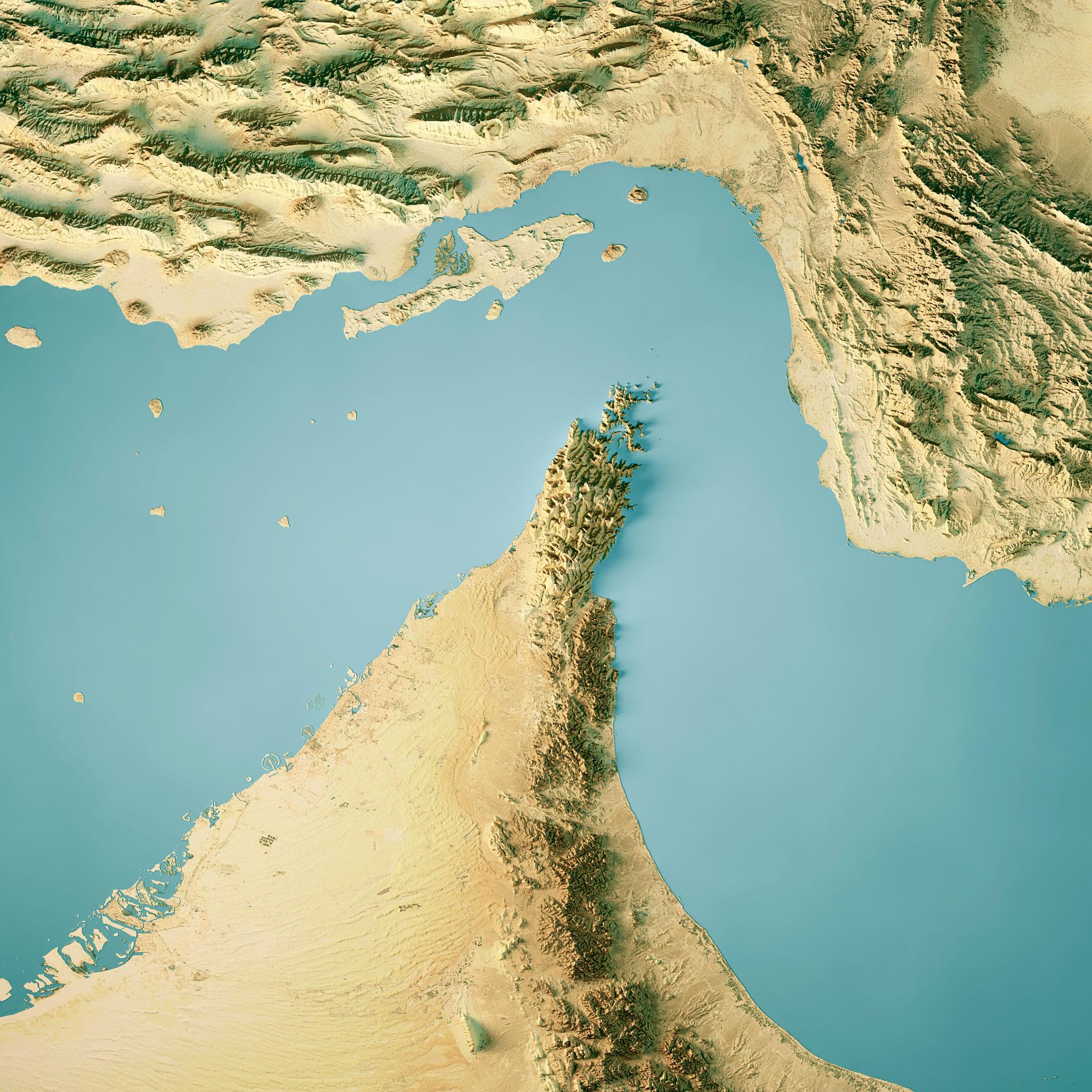
Early Saturday morning, 28 February, the United States and Israel launched strikes on Iranian military, intelligence, and government facilities, causing significant damage and casualties. Iran responded with missile and drone attacks on Israeli cities and US military bases and assets in Bahrain, the United Arab Emirates, Kuwait, and Qatar. The conflict has since expanded, with proxies such as Hezbollah also targeting Israel.
The conflict has already caused significant losses for Iran. State media confirmed the deaths of Iran’s Supreme Leader, Ayatollah Ali Khamenei, and senior military commanders in Tehran. On the US side, three service members died during combat operations. The situation continues to escalate, with all parties increasing their rhetoric about sustained attacks. The crisis has disrupted regional airspace and maritime security and driven up oil prices as Iran has impeded the flow of goods through the Strait of Hormuz. About 20 per cent of the global oil supply passes through this critical chokepoint.
While the Strait remains open, ships are avoiding it due to insurance concerns, as coverage is not provided in the event of casualties. As a result, fewer shipments are using the strait, which is expected to further impact oil prices as supply decreases. This morning, Brent crude rose by up to 10 per cent, and many analysts expect prices to approach or exceed $100 per barrel if the conflict continues.
Mozambique’s main concerns are maintaining secure trade routes, managing the impact of rising oil prices, and determining its diplomatic position at the United Nations amid the escalating conflict.
Energy Prices
Rising oil prices place fiscal pressure on Mozambique, a net fuel importer. Today, oil prices increased by 8 per cent and natural gas prices by 25 per cent. OPEC and Russia have reportedly agreed to increase output, with OPEC+ planning a 206,000-barrel-per-day boost to ease global prices. According to the US Energy Information Administration, about 20.9 million barrels per day pass through the Strait of Hormuz. Continued instability in the Strait may disrupt oil infrastructure in the Middle East.
Higher oil prices increase transportation costs and affect daily life in Mozambique. Southern African countries may also experience greater demand for shipping through the Indian Ocean and around the Cape of Good Hope, as vessels take longer, more expensive routes.
Shipping and Trade Routes
This situation presents an opportunity for Mozambique’s ports, such as Maputo and Beira, to expand bunkering, restocking, and transhipment services. However, only the most developed ports can absorb increased demand. South African ports like Durban and Cape Town are better positioned due to their advanced infrastructure.
The security crisis in the Red Sea following the Israel-Hamas war in October 2023 severely impacted global trade. Major incidents involving drones and missiles forced major carriers to reroute around the Cape of Good Hope, incurring significant delays and higher transportation costs. UNCTAD reports that, by the first week of March 2024, the total gross tonnage of ships calling at the Cape of Good Hope had risen by 85%, based on a seven-day moving average, compared with levels recorded in the first half of December 2023. The same analysis reported the Maputo port’s positive performance, reflecting the authorities’ commitment to trade facilitation.
The growing strategic relevance of Mozambique’s ports increases the need for coordinated action on infrastructure development and trade facilitation, as regional instability in the Middle East may alter trade patterns. The Port of Maputo, which aims to become a logistics hub, could attract more investment and attention as security concerns persist in the Middle East.
Diplomatic response
The international community is appealing for all parties to exercise restraint and avoid escalation. The United Nations, the European Union, and the Red Cross warned of the risk of regional conflict with grave consequences for civilians, calling for the parties to respect international humanitarian law and protect civilians and immediately cease hostilities.
The UK, France, Germany, Qatar, United Arab Emirates, Bahrain, Kuwait, Saudi Arabia, Turkey, India, Belgium, Canada, Ireland and Venezuela, although with different views of the conflict, issued press notes condemning the violence and appealing for the restoration of negotiations, prevention of conflict escalations, and respect for international law.
The African Union (AU), in its press statement on the US-Iran military escalation, joined the international community’s statement, calling for urgent de-escalation and sustained dialogue, and stressing that all parties must act fully in accordance with international law to safeguard international peace and security. The Southern African Development Community (SADC) has not yet issued a joint press note, and countries are responding individually.
In past major conflicts, Mozambique has aligned with the African Union, advocating for dialogue and adherence to the UN Charter. The country is recognised for prioritising peaceful conflict resolution. It is therefore expected that Mozambique will soon support the international community and the AU statement, calling for de-escalation and peaceful negotiations.
References